











The Dosage Problem: Why Static-Magnet Research Keeps Failing to Replicate, and What an Honest Practitioner Does About It
A finding worth sitting with: in a critical review of static magnetic field therapy trials, 61 percent of studies failed to report enough detail about the magnetic dosage for other investigators to replicate the protocol. Not that the results were negative — that the methods could not be repeated at all.
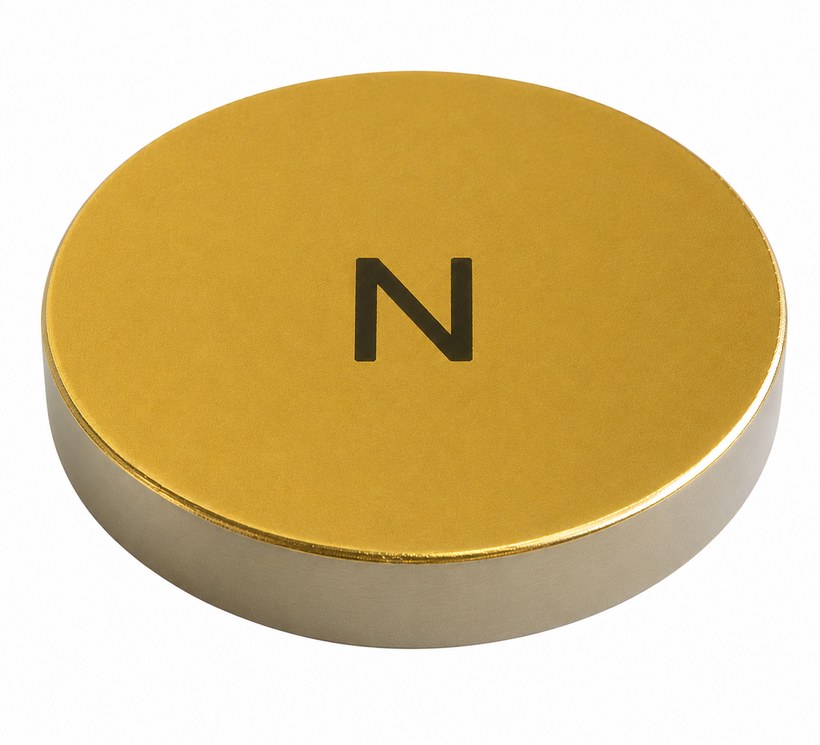
That single number explains a great deal about why this field's literature looks the way it does. Field strength, exposure duration, gradient, and orientation all plausibly matter, and if a study does not report them, a later trial cannot confirm or refute it; it can only run a different experiment wearing the same name. Reviewers have consistently concluded that dosing parameters need optimizing for specific conditions before full-scale clinical trials are worth running.
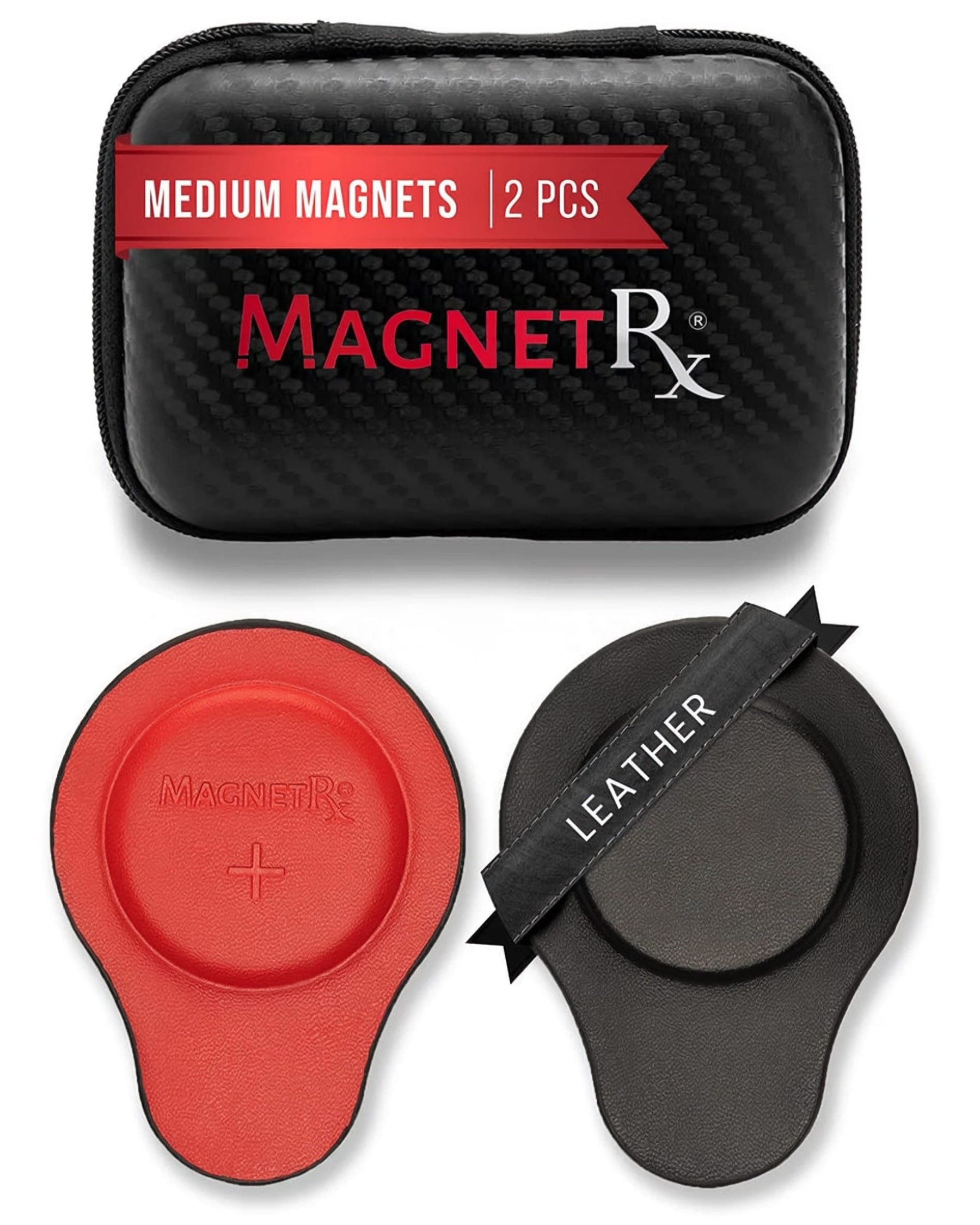
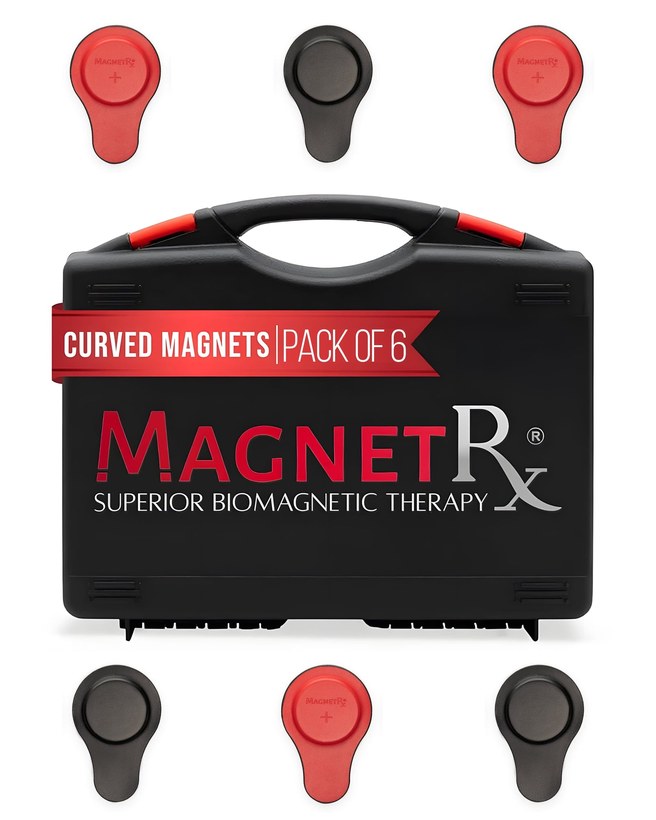
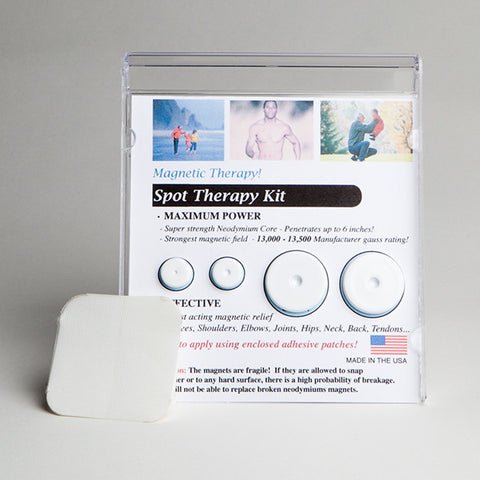
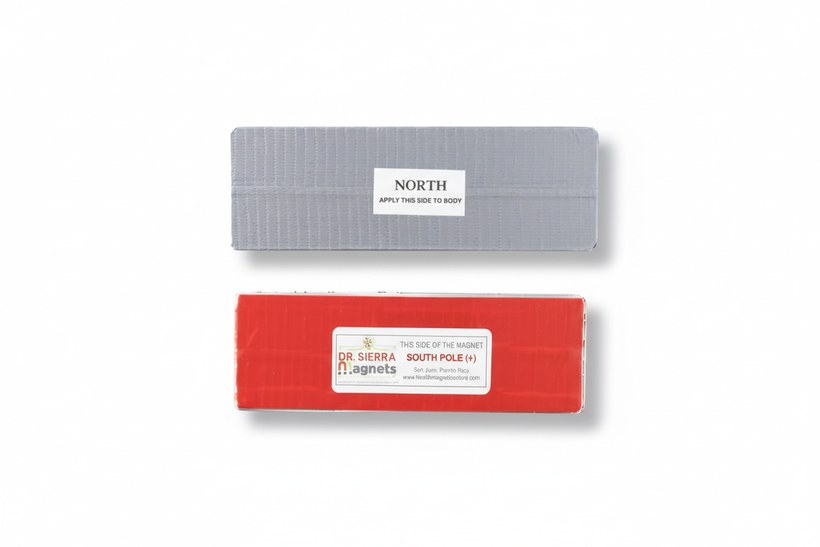
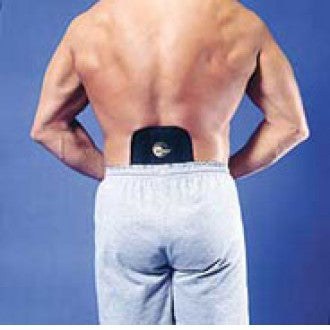
What that means for a practice like ours is a commitment to describing what we actually do — the magnets used, their measured field strength, placement, and session duration — in the client record, in the same terms a researcher would need. It does not make a session into evidence. It does mean we are not adding to the pile of undocumented protocol.
Biomagnetism is a complementary modality and not a substitute for licensed medical care. The FDA has not cleared or approved biomagnetism to diagnose, treat, or cure any disease. Anyone with chronic pain, inflammation, or an undiagnosed symptom should be evaluated by a licensed clinician first.
Sources: Static magnetic field therapy: a critical review of treatment parameters; NCCIH — complementary health approaches